
Dental Clinic
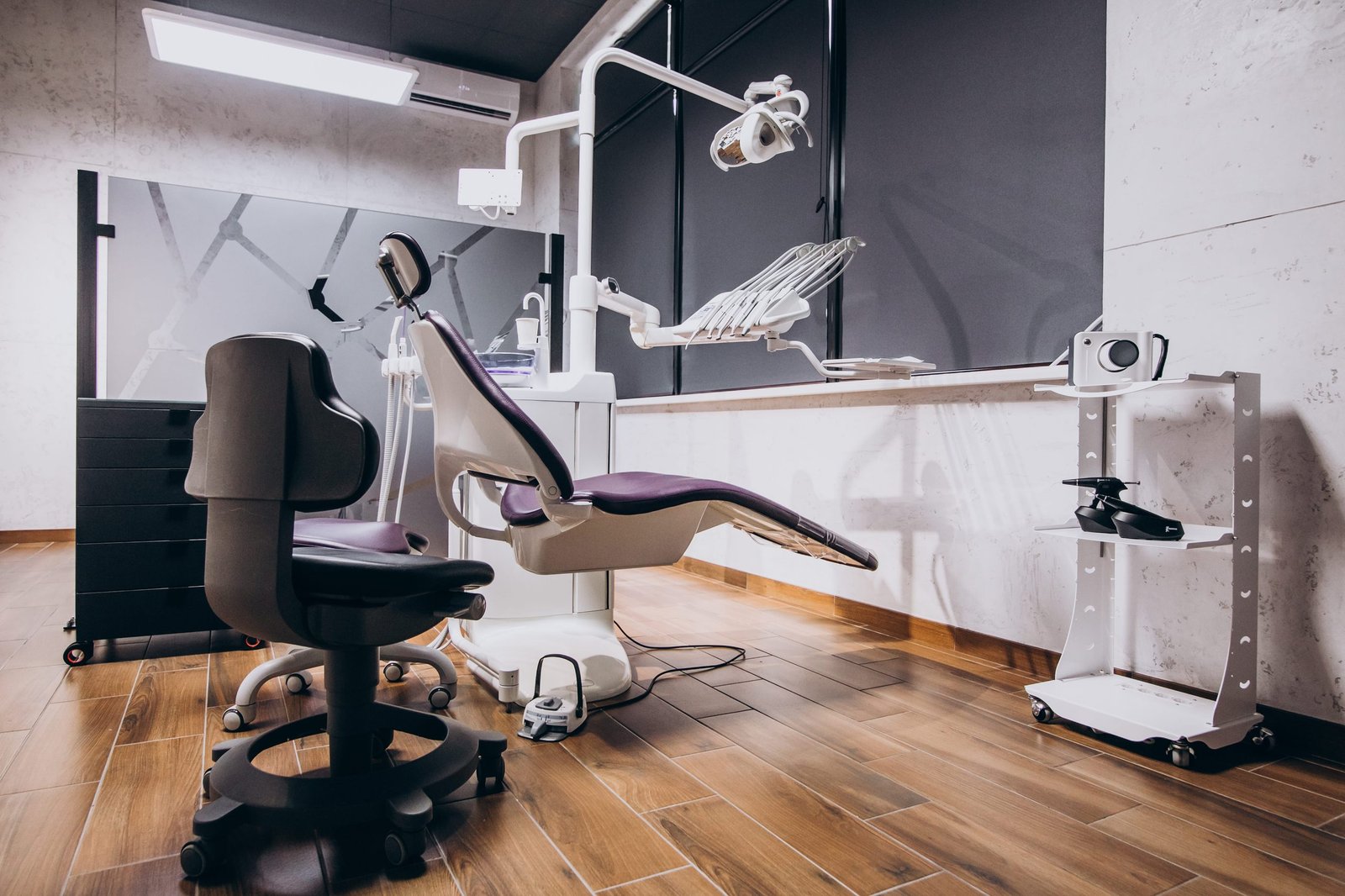
Your Smile, Designed Before It’s Built
We don’t start treatment on a guess. We study your bite, your gums and the proportions of your face — and show you the result before a single tooth is touched.
- A full examination with digital X-rays [and a 3D CBCT scan] before any treatment
- A written treatment plan with clear stages and a known cost from day one
- Your natural tooth comes first — we preserve it wherever that’s the healthier choice
What dental services does Sira Clinics offer?
The dental department at Sira Clinics in Madinaty provides: routine check-ups, scaling and polishing, tooth-coloured fillings, root canal treatment, dental implants (single tooth, multiple teeth, or full arch), crowns and bridges, porcelain veneers and Hollywood smile design, professional teeth whitening, orthodontics with fixed braces and clear aligners, gum treatment, surgical wisdom tooth extraction, pediatric dentistry, and dentures.
The 3 Topics Our Visitors Search Most
1. Dental implants — who is a candidate, and what actually happens?
A missing tooth is more than a gap in your smile. Once a tooth is lost, the jawbone in that area begins to shrink because nothing is stimulating it any more, and the neighbouring teeth gradually tilt into the space, changing your whole bite. That’s why a long delay usually makes the eventual implant harder, not easier.
What is an implant? An artificial root, usually titanium, placed in the jawbone. The bone fuses with it over time, and a crown matched to the shape and shade of your natural teeth is then fitted on top.
Are you a candidate? Most adults are. What actually decides it:
- Bone volume and density — measured on a CBCT scan, not by eye. If the bone isn’t sufficient, bone grafting or a sinus lift can usually rebuild it.
- Gum health — any active gum inflammation is treated first.
- Diabetes — it needs to be well controlled before surgery.
- Smoking — it clearly raises the risk of implant failure.
How we handle it — in four stages:
- Diagnosis and planning: a CBCT scan and digital planning of the implant’s exact position and angle [with a surgical guide where indicated].
- Placing the implant: under local anaesthesia, usually 30–60 minutes per implant. Most patients describe it as easier than an extraction.
- Integration: typically 2 to 4 months depending on the bone and location, with a temporary tooth in visible areas.
- The final crown: a digital or conventional impression, then a crown matched to your natural shade.
Same-day teeth: in selected cases — strong bone and high implant stability — you can leave with a temporary tooth on the same day. It isn’t right for everyone, and we’ll tell you honestly whether your case allows it.
The truth worth knowing: an implant can’t decay, but it can fail from inflammation of the tissues around it (peri-implantitis), driven mainly by poor cleaning and smoking. Long-term success is in your hands: correct daily cleaning and a check-up every 6 months.
When we postpone implant surgery: uncontrolled diabetes, active gum disease, recent radiotherapy to the jaw area, or certain osteoporosis medications. We review all of this at your examination before any step.
2. Hollywood smile and veneers — a natural result, not “too-white” teeth
The most common complaint we hear isn’t from people who want veneers — it’s from people who already had them and dislike how they look: too white, too bulky, every tooth identical. The difference lies in the planning, not the material.
Veneers or crowns? A veneer is a thin shell (roughly 0.3–0.7 mm) bonded to the front surface of the tooth. A crown covers the whole tooth and needs far more reduction. For changing the look of healthy teeth, veneers are almost always the more conservative option.
Material options:
- Porcelain veneers (e.max): the closest translucency to a natural tooth, stain-resistant, and typically lasting 10–15 years or more with good care.
- Composite veneers: lower cost and often completed in a single visit, but more prone to staining and chipping, with a shorter lifespan.
How we design your smile:
- Digital Smile Design (DSD): photos and video of your face and smile, used to design tooth length and shape around your features, your lip line and your age.
- The trial smile (mock-up): we place the new smile in a temporary material directly on your own teeth. You see it in the mirror, photograph it and approve it — before any preparation.
- Delivery: only after your approval — preparation, impressions, then final fitting.
The right shade: we choose a whiteness that harmonises with the whites of your eyes and your skin tone. The whitest shade is rarely the most attractive one.
We won’t start veneers if: you have active decay or gum disease (we treat those first), you clench or grind at night (you’ll need a night guard, or the veneers will chip), or your teeth are crowded in a way orthodontics would fix better and without reduction.
3. Orthodontics — braces or clear aligners, and is it too late for adults?
Straight teeth aren’t only about appearance. Crowded teeth trap plaque and are harder to clean, and a poor bite puts extra load on certain teeth and on the jaw joint.
Is it too late? No. Teeth can move at any age as long as the gums and bone are healthy. Treatment in adults may simply take a little longer.
Fixed braces or clear aligners?
- Fixed braces (metal or tooth-coloured ceramic): best suited to complex cases and working around the clock regardless of your discipline, but they require care with eating and cleaning.
- Clear aligners: near-invisible trays changed every one to two weeks, removed for eating and brushing. The key condition: they must be worn 20–22 hours a day.
The deciding factor is the complexity of your case and your commitment — aligners only work while they’re in your mouth.
How long does it take? Usually 12 to 24 months; mild cases can be shorter.
Children: a first orthodontic check is recommended around age 7, so jaw-growth problems are caught early, when they’re easiest to guide.The truth nobody enjoys hearing: the retainer. Teeth tend to drift back towards their old positions, and wearing a retainer after treatment (usually at night) is a long-term commitment. Most relapse cases we see come from people who stopped wearing theirs.
Why Choose Sira Clinics for Your Dental Care
- Diagnosis before treatment. Digital X-rays [and CBCT], and a plan built on images, not assumptions.
- See your smile before it’s built. A digital design and a trial smile on your own teeth before any preparation.
- Your natural tooth comes first. We only turn to reduction or extraction when it’s genuinely the right answer.
- A written plan and a clear cost. Stages, session count and cost from the start — no surprise items halfway through treatment.
- A strict sterilisation protocol. Autoclave sterilisation, instruments in sealed pouches opened in front of you, and single-use disposables.
- A specialist for each discipline. [Implantologist, orthodontist, endodontist and pediatric dentist — confirm against team]
- Comfort for anxious patients and children. A calm, step-by-step approach [with sedation options available — confirm].
The advantage of a polyclinic. If you have diabetes, a heart condition or take blood thinners, we coordinate with our internal medicine and cardiology physicians under the same roof before any surgical procedure.
FAQs
Q: Is getting a dental implant painful? A: It’s done under full local anaesthesia, so you won’t feel pain during the procedure. Mild soreness and swelling for two or three days afterwards is common and is managed with ordinary painkillers.
Q: How long do veneers last? A: Porcelain veneers typically last 10–15 years or more with good care; composite veneers have a shorter life, around 5 to 7 years. Grinding and skipping check-ups shorten both.
Q: Does whitening damage the enamel? A: Professionally supervised whitening is safe for enamel. Temporary sensitivity is common and fades within days. The real risk lies in unregulated products and repeated use without supervision. Note that whitening doesn’t change the colour of fillings, crowns or veneers.
Q: Is root canal treatment painful? A: With modern anaesthesia, a root canal is usually no more uncomfortable than a normal filling. The pain you felt beforehand came from the infection — the treatment is what removes it. A back tooth usually needs a crown afterwards to protect it from fracturing.
Q: Do you treat children? A: [Yes, with a dedicated pediatric dentist.] A first visit is recommended when the first tooth appears or by the first birthday, along with fissure sealants and fluoride to protect against decay.
Q: How much will it cost, and are instalments available? A: The cost is set after your examination and X-rays, and you receive it in writing as part of your treatment plan. [Instalment / insurance options — confirm].Q: I have sudden tooth pain — can I come in today? A: [Yes, same-day emergency appointments are available — confirm.]
Book a Consultation
Consult with one of our specialists about the topics discussed in this article.
📅 Book Now