
Home Radiology & Ultrasound
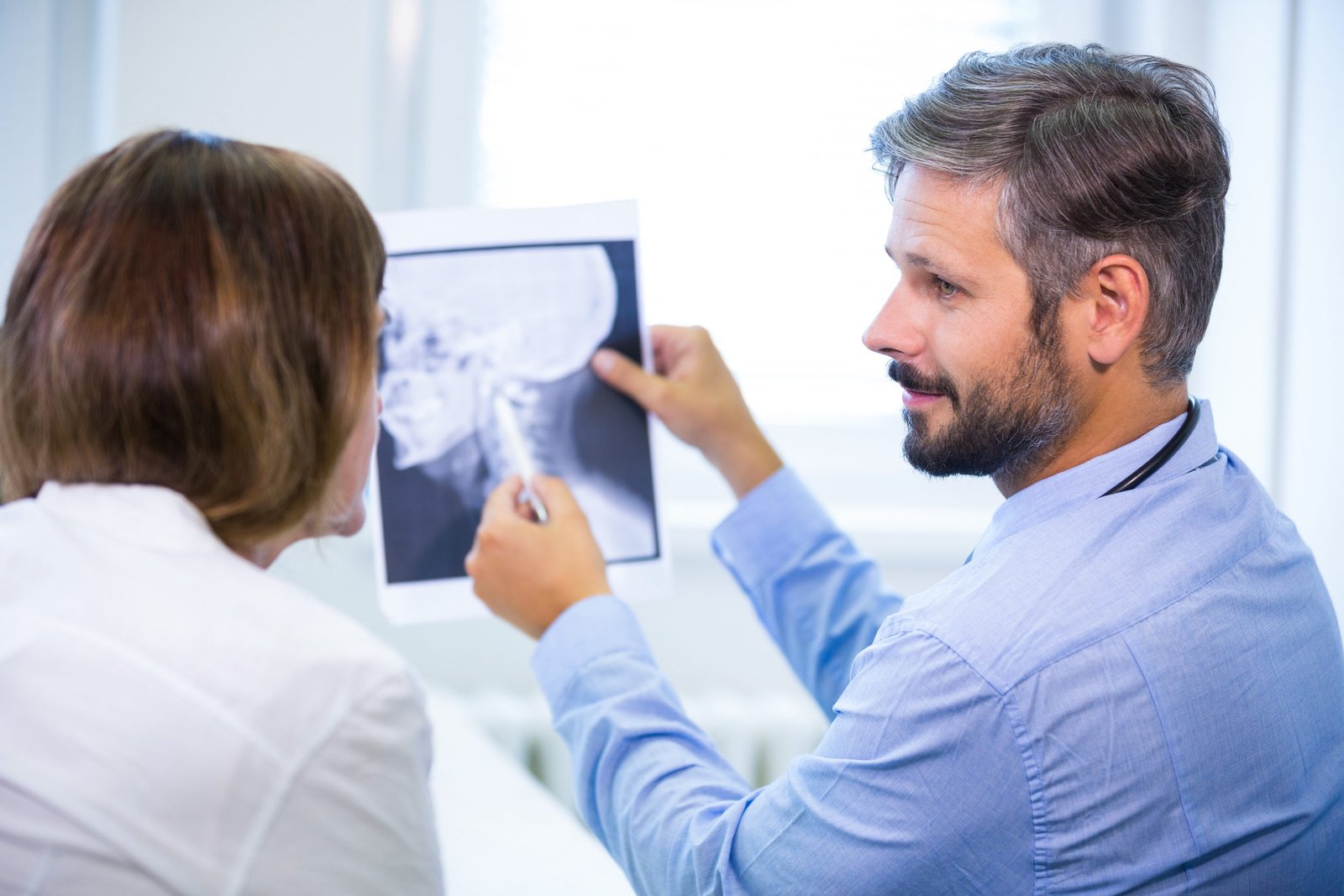
Diagnosis That Comes to You
Moving an elderly or post-operative patient to an imaging center isn’t just inconvenient — it’s a genuine risk. So we bring the equipment and the consultant to your patient’s room instead.
Quick points:
- High-quality portable X-ray and ultrasound equipment
- A medical report signed by a consultant radiologist
- Coverage across Madinaty and New Cairo, with flexible scheduling
Which imaging studies can be performed at home?
Sira Clinics provides home radiology and ultrasound across Madinaty and New Cairo, including: portable X-ray of the chest, bones, and joints; ultrasound of the abdomen, pelvis, kidneys, and urinary tract; pregnancy and obstetric ultrasound; thyroid, breast, and soft-tissue ultrasound; vascular Doppler of the limbs to assess clots and varicose disease; and musculoskeletal ultrasound. Studies are performed with portable equipment inside the home, and the report is issued signed by a consultant radiologist.
The 3 Topics Our Visitors Search Most
1. What actually works at home — and what doesn’t?
Being clear here saves you time and money.
Performed at home with excellent quality:
- Ultrasound of virtually every type — abdomen, pelvis, kidneys and urinary tract, obstetric, thyroid, breast, testicular, soft tissue, and musculoskeletal. Modern portable ultrasound units deliver quality very close to center-based machines.
- Vascular Doppler of the limbs — assessing deep vein thrombosis, arterial insufficiency, or varicose disease. This is a critically important study for bed-bound patients specifically.
- Portable X-ray — chest (pneumonia, effusions, elderly monitoring), bones and joints, and fracture follow-up after casting.
- ECG within the same visit where required.
Not performed at home — requires an equipped center:
- CT and MRI — large fixed installations. We’ll help arrange the visit and safe transport.
- Contrast studies requiring specific preparation and facilities to manage reactions.
- Any interventional radiology procedure.
- Mammography — requires a dedicated fixed unit. (Breast ultrasound is available at home as a complementary study, not a replacement.)
A practical rule: anything based on ultrasound waves → available at home. Anything requiring large fixed hardware → at the center.
2. Who needs home imaging most?
The largest group isn’t people who simply prefer convenience — it’s people for whom transport carries risk:
- Elderly patients and those with dementia. Transport means a car, stairs, waiting, and disorientation — and sometimes a fall or agitation. Imaging at the bedside is both safer and more accurate.
- Post-operative patients. Chest or surgical-site follow-up in the first weeks without moving the patient.
- Bed-bound patients and those with mobility impairment. Here, lower-limb Doppler becomes an important preventive study for detecting clots early.
- Stroke patients and those with hemiplegia. Repeated imaging without the ordeal of transport.
- Pregnant women on bed rest. Pregnancy monitoring and ultrasound at home.
- Highly anxious children or children with special needs. A familiar environment reduces fear and improves image quality.
- Patients with infectious disease or immune compromise. Avoiding crowded waiting rooms is sound clinical judgement.
A benefit few people consider: reducing the number of transfers reduces the risk of falls, healthcare-associated infection, and pain escalation — all genuine drivers of hospital admission among the elderly.
3. Is a home report as accurate and as valid as one from a center?
An entirely fair question. The answer rests on three elements — and we hold to all of them:
1. Equipment quality. Modern medical-grade portable ultrasound units (not inexpensive consumer devices) deliver validated diagnostic accuracy and are used daily inside emergency departments and intensive care units in major hospitals. Portable X-ray units are the same machines used in ICUs to image patients in their beds.
2. The competence of the operator. Ultrasound is more operator-dependent than any other imaging modality. That’s why our home studies are performed by a radiologist or qualified specialist, not by a technician capturing images for someone else to read later.
3. Report validity. The report is issued signed by a consultant radiologist, in the same format as center-based reports, with images stored digitally in DICOM format so your treating physician can review them directly.
The limits of the service — candidly: home X-ray image quality can be slightly lower in cases of severe obesity or where optimal patient positioning isn’t achievable. If the consultant judges that the images are insufficient to settle the diagnosis, we will tell you plainly and recommend a study at the center — we will not issue an incomplete report just to close out the visit.Radiation safety: portable X-ray uses a low dose, and our team follows protection standards: establishing a safe perimeter, protective shielding for the patient and those nearby, and no unnecessary repeat exposures.
Why Choose Sira Clinics for Home Imaging
- The study is performed by a physician, not a technician. Particularly in ultrasound, where experience is the difference between a useful report and a worthless one.
- One visit is enough. Ultrasound, X-ray, blood sampling, and an ECG can all be combined in a single visit — so you don’t exhaust your patient with scattered appointments.
- A fast, validated report. The consultant-signed report reaches you electronically within [timeframe], and urgent findings are communicated by phone the moment they’re identified.
- Full respect for the privacy of your home. An identifiable team, punctual, leaving the space as they found it.
- Direct connection to our physicians. If the study reveals something requiring intervention, you can be referred straight to the right specialty within Sira Clinics without starting over.
Real coverage inside Madinaty. We know the city and its phases, and we arrive at agreed times — not “sometime today.”
FAQs
Q: How quickly does the team arrive? A: We confirm a fixed appointment at booking. For urgent cases within Madinaty we aim to arrive within [timeframe], subject to team availability.
Q: What do I need to prepare at home? A: A room with adequate space around the bed, a nearby power source, and a clean towel. Some abdominal studies require 6 to 8 hours of fasting, and our team will tell you at booking.
Q: Is home X-ray safe for the rest of the household? A: Yes, when procedures are followed. The team establishes a safe perimeter during exposure and uses protective shielding. Exposure lasts a fraction of a second and the dose is low.
Q: Can pregnancy ultrasound be done at home? A: Yes, for monitoring and reassurance. Some detailed studies (such as the advanced anomaly scan) may require a center-based machine, and we’ll say so candidly at booking.
Q: When do I receive the images and report? A: Images are stored digitally and sent to you with the signed report within [timeframe]. A printed copy is available on request.
Q: Do you cover areas outside Madinaty? A: We cover Madinaty and the surrounding areas of New Cairo. Contact us to confirm coverage for your address and any travel charges.
Book a Consultation
Consult with one of our specialists about the topics discussed in this article.
📅 Book Now